
Reviewed · TICKETS
CCVAlgarve Family Ticket | 2 adults + Children
What makes this experience so fun is how it turns the Algarve coast into hands-on science you can actually do, not just watch. I love the Ria Formosa aquarium section because it explains the lagoon ecosystem in a way kids can grasp. I also love the touch tank, where you can connect with local marine life up close. One drawback to keep in mind: it is very family-first, so adults looking for deep, quiet museum browsing may find it a bit limited in scope.
You are moving through interactive stations as you go, from geology and physics-style effects to a “live tornado” moment and an earthquake feeling. The pace is light, and while it can be completed quickly, kids often linger at the animal areas and touch pool long enough to stretch it into a longer, more relaxed visit.
Key things I’d highlight before you go
- Two aquarium themes (tropical and Ria Formosa coastal lagoon) that make comparisons easy
- Touch pool access to animals you normally only see in intertidal zones
- Real science demos including earthquake and live tornado style interactions
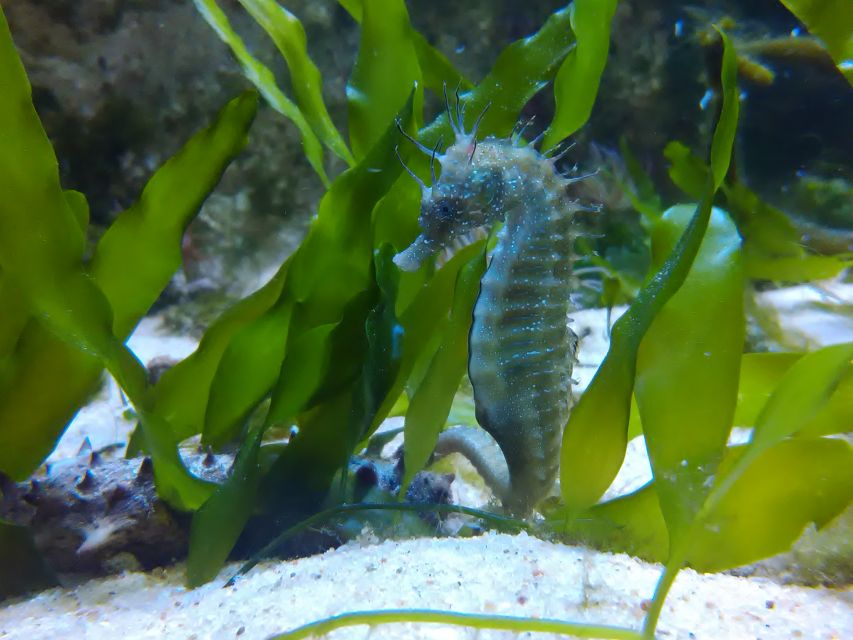
- Ria Formosa seahorses that get right to the point about sensitive local habitats
- Hands-on “try it” modules like planet weight and guessing calories in a pizza
- Good value for families with a group ticket for 2 adults plus children up to 17
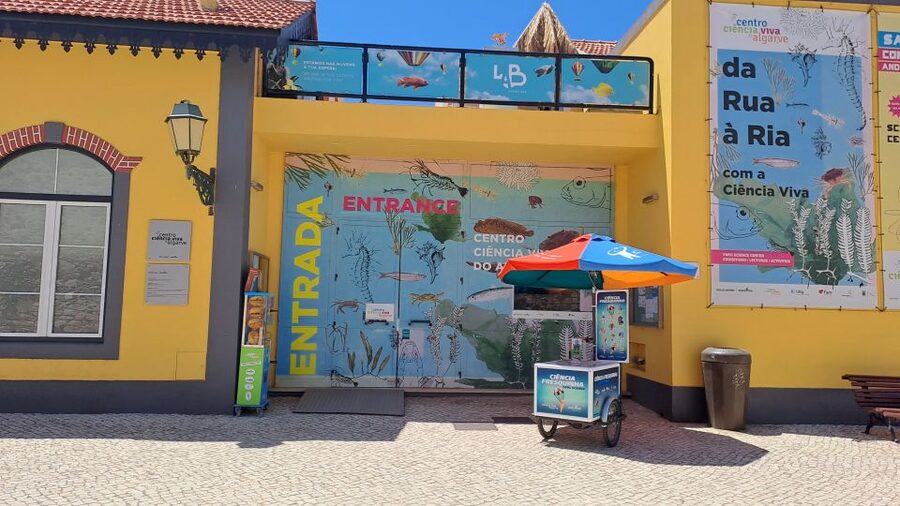
Entering the Algarve Life Science Centre in the big yellow building
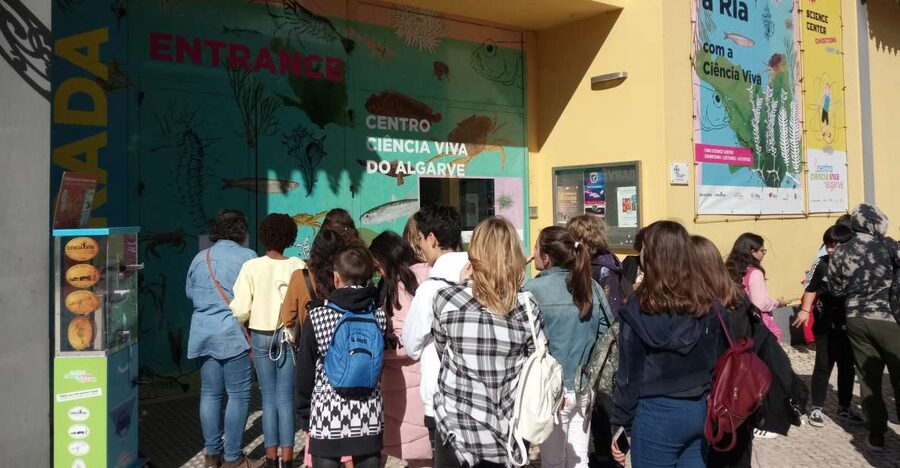
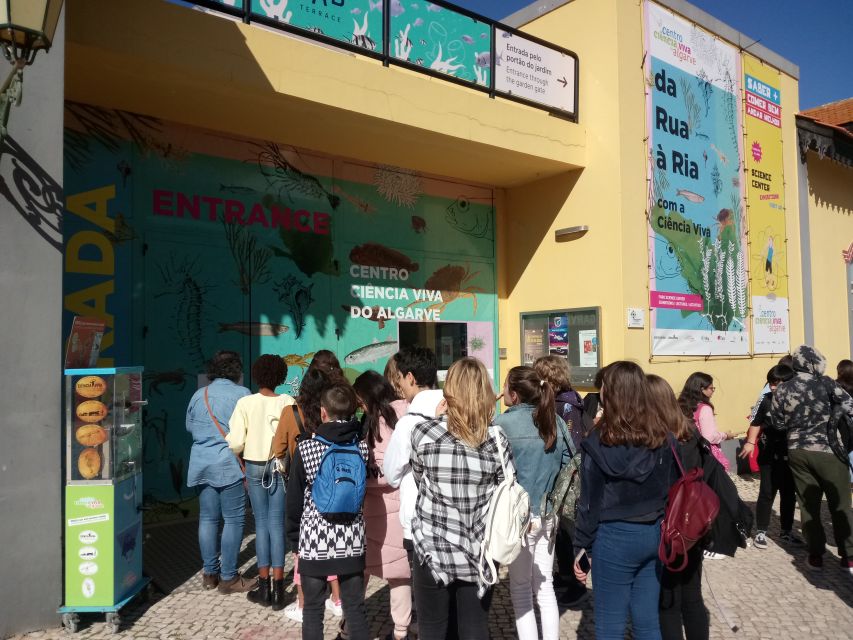
Your day starts right at the Algarve Life Science Centre. Look for the big yellow building, and go to the entry that sits in the middle, in front of the castle walls. When you arrive, enter and show your ticket at the reception counter.
This matters more than it sounds. The centre is set up to feel like you are just jumping into activities, not waiting around for a busier guided show. If you want a smooth visit with kids, being at the right door and checking in quickly helps you get to the aquariums and animal areas sooner.
Also, the staff and greeting team can handle English, Portuguese, and Spanish, so you are not stuck if your family language mix changes during the day. The centre is wheelchair accessible too, so if mobility is part of your planning, you should feel comfortable arriving as you are.
A few more Faro trips worth putting side by side
- 4 Stops | 3 Islands & Ria Formosa Natural Park – From Faro
★ 5.0 · 3,080 reviews - From Faro: Benagil Cave, Marinha Beach, Algar Seco & More
★ 4.7 · 2,027 reviews - Ria Formosa – Boat trip to the 3 Islands: Armona | Culatra Island | Lighthouse
★ 5.0 · 1,872 reviews
Start Here: getting oriented fast, then letting kids lead
Once you check in, you will flow into the museum spaces where the emphasis is on interaction. The centre is built like a string of “try it” stops, so it works best when you let your kids pick what they want to repeat.
One highlight you will see early is a 3-D printer area. This is not about making art for a trophy photo. It is about showing how science and technology connect, and it gives kids something satisfying to watch and talk about before you hit the more animal-heavy parts of the visit.
If you are traveling with kids who get overwhelmed by too many rules, this format helps. You can keep the energy moving station to station, and you do not have to commit to one long room or one long guided talk.
A small practical consideration: the experience is designed to be short and sweet. People have described it as quick to complete, so if you want a slow, sit-down museum day, you may need to plan extra time for breaks and snack stops outside.
The two aquariums: tropical contrast and the Ria Formosa story
The aquarium portion is the heart of why this works. You get two different aquarium themes, and the contrast helps you understand the “why” behind the local ecosystem.
One aquarium focuses on tropical life. The other represents the sub-real environment of the Ria Formosa coastal lagoon. That second aquarium is the one that makes the Algarve feel specific to this place. Instead of treating marine life as a generic ocean, it anchors it to a real coastal system you can recognize as part of the Portuguese coastline.
The seahorses are one of the emotional anchors here. You can discover sensitive seahorses from the Ria Formosa, which is a strong teaching moment because it turns “cute animal” into “animal with habitat needs.” Even if you only catch bits of explanation, the seahorse displays are a reminder that the environment is not background scenery. It is the main character.
For families, the aquarium structure also helps with attention. Kids often understand tropical tank content right away, then get curious about what is different in the lagoon setup. That shift keeps the day from becoming one long, repetitive loop.
The touch pool: starfish, sea cucumbers, and crabs up close
If your family likes animals, plan your energy for the touch pool. This is where the museum becomes more than viewing. The touch tank is built around animals you normally find in the Ria Formosa intertidal zone, meaning areas shaped by the tide and the coastal rhythm.
What I like most is that the touch experience comes with context. You can learn about the animals’ life cycle and how they relate to this unique environment. That is the key difference between touching animals in a casual way and touching animals as part of learning.
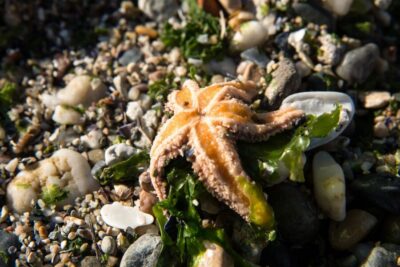
In practice, you might meet creatures that include starfish, sea cucumbers, and crabs, and the staff or volunteers explain what you are looking at. One of the best parts here is the tone, friendly and practical, not overly lecture-heavy.
A tip that will help with the whole family: treat the touch pool as the “main event,” and go there when everyone is ready to focus for a few minutes. If you rush it early, you miss the explanations. If you wait too long and kids are tired, you end up with less interaction time and more wiggling.
Same stretch of coast, a different sort of day out:
- Ria Formosa Natural Park and Islands Boat Cruise from Faro
★ 5.0 · 1,314 reviews - 2 Stop | 2 Islands & Ria Formosa Natural Park – From Faro
★ 5.0 · 1,045 reviews - Faro: Deserta Island and Farol Island Catamaran Boat Trip
★ 4.6 · 955 reviews - From Faro: Benagil, Algar Seco, 7 Hanging Valleys, & Marinha
★ 4.9 · 890 reviews
Seahorses and the Ria Formosa ecosystem: why this lagoon matters
The museum does a good job turning the idea of the Ria Formosa into something you can picture. The centre uses interactive modules about the coastal ecosystem, and the seahorse section gives you a real-world example of why habitats matter.
You are not just learning that there are animals in the lagoon. You are learning how the ecosystem functions, including the role of the intertidal zone where tides shape daily life. That is the piece that sticks, even after you leave.
If you are traveling around the Algarve, this is the kind of indoor stop that makes outdoor sightseeing smarter. Later, when you see coastal areas and protected waters, you will remember that the Ria Formosa is not just scenery. It is a living system with animals adapted to changing conditions.
Physics, geology, weather, and volcanos: earthquake and the live tornado moment
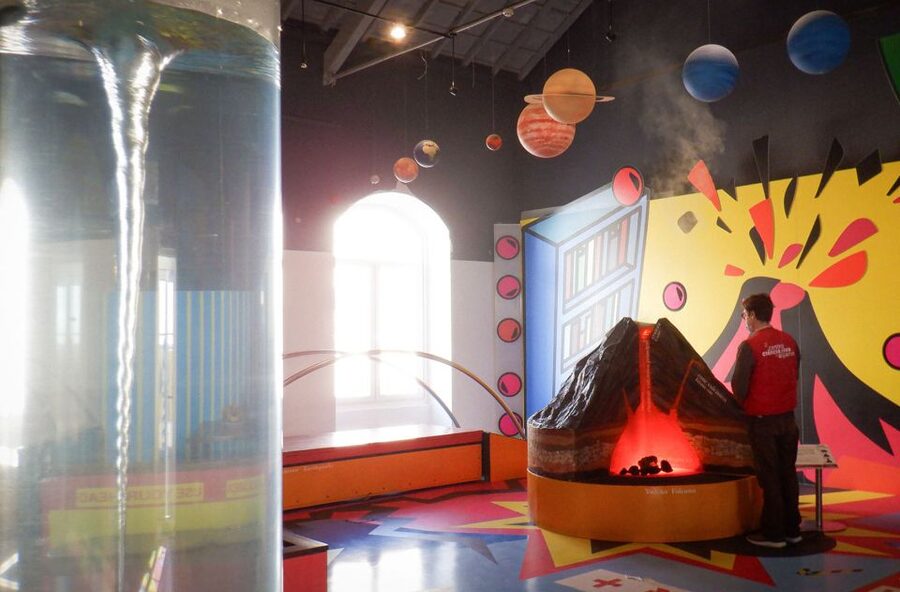
The science modules spread across several themed zones, including Physics, Geology, Food, Meteorology, and Volcanos. The point is not memorizing terms. It is feeling cause and effect.
Two of the most memorable interactive moments are the one that simulates an earthquake and the experience where you see a live tornado. These are dramatic demos, but they are also teaching tools. They help kids connect natural phenomena to how forces work.
If you have a child who is a little skeptical of museums, these effects do the job of grabbing attention fast. They also work for adults in a simple way: you get a quick, understandable way to talk about earth science without needing a textbook.
The only caution is pacing. If you rush from station to station, you might miss the explanation moments. Slow down for even one extra station where a staff member is actively explaining what you just experienced.
Food science that feels like a game: calories in a pizza
Yes, there is a food element, and it comes through as a hands-on concept rather than a lecture. One interactive module has you guess how many calories are in a pizza.
This sounds playful, but it is actually a great family conversation starter. You get to talk about estimates, portion size, and the idea that food numbers have meaning. Kids also seem to take the activity seriously because it has “you decide” energy, not passive consumption.
For parents, this section is a win because it is not preachy. It is interactive, and it gives you something to laugh about even if you disagree with your own estimate.
Planet weight and other try-it prompts that make science stick
Another fun station gives you your weight on other planets. This kind of module is classic science museum magic because it translates an abstract idea into immediate personal experience.
You do not need a long explanation to understand the outcome. You try it, you see the difference, and your brain files it under “gravity made real.” It is also a moment where kids love to test their parents and siblings.
There are a few other interactive elements across the physics and geology side too, but the main theme stays consistent: you participate, you compare, and you carry the concept out with you.
How long this takes, and how to plan your day in Algarve
This centre can be completed quickly, and you should plan your schedule accordingly. People often describe it as taking about an hour to work through the content, but families with animal lovers sometimes stretch it longer because the touch pool can be a repeat-worthy stop.
So how do you plan it in real life?
- If you have young kids who need frequent breaks, give yourself a larger window and add time for bathroom stops and snack breaks.
- If your family is “see it, do it, move on,” you can treat it as a compact science mission between longer Algarve outings.
- If your kids are still in love with the animals when the museum run ends, it is worth asking staff about return flexibility when the centre reopens later in the day. Some families have had positive experiences with staff allowing them to come back after reopening.
Timing wise, the museum is ideal when the weather does not cooperate for outdoor plans. It is also a strong option for families who want learning without a full half-day commitment.
Price and value for a family ticket
Let’s talk money in a practical way. The family ticket price is $14 per group up to 6. That is a rare structure that makes planning easier, especially if you are traveling with more than one child.
The value comes from two things:
- You are paying for a full set of themed experiences in one place, not just one aquarium or one small room.
- Most families will want to spend time in the animal touch area and aquarium sections, and those are included as part of the ticket.
For adults traveling solo, it might feel like the cost is high for a short museum visit. For families, the ticket structure is why it works. You get enough variety that each kid can find at least one “must-do” station.
You should also consider what you are replacing. If this stop prevents you from paying for multiple separate attractions on the same day, it can come out looking like a bargain fast.
Who this experience suits best (and who might want another plan)
This is a strong fit for families with kids, especially if your children enjoy animals and interactive science. The touch pool experience plus the aquarium pair makes it a natural win for ages that like “look, touch, learn.”
It is also good if you want a calm indoor option that still feels active. Earth science effects and the live tornado moment add energy without requiring a long walk or complicated transport.
Now the honest part: if you are an adult who wants a lot of detailed interpretation and plenty of adult-friendly exhibits, you might finish feeling that it was more kid-focused than you hoped. The upside is that it is short and sweet, so you can still spend the rest of your day outside doing Algarve things.
If you are traveling with teenagers, you might appreciate the physics and planet-weight modules more than the animal touch element, but the seahorse and ecosystem theme can still land well if you like nature science.
Important rules and practical notes to know
Before you go, a few basic rules keep things smooth.
Pets are not allowed, but assistance dogs are allowed. Alcohol and drugs are not permitted.
If your family brings a stroller, the centre is wheelchair accessible, so you should be able to move around comfortably. Still, it is a hands-on science space, so expect tighter turns near the touch area compared to open hallways.
Should you book the CCVAlgarve Family Ticket?
Book this if you want an affordable family outing that mixes Ria Formosa learning with real interaction. The touch pool, the two aquarium themes, and the earthquake and live tornado style demos give you enough variety to keep different kids interested.
Skip it or pair it with something else if you are an adult who needs deep museum immersion. The museum is designed to move fast, and you may not feel you got your full adult worth if you are expecting hours of intensive exhibits.
If your goal is a smart, family-friendly science stop in the Algarve, this one is a very good bet. It is especially worth it if your kids will spend time with animals and if you want the day to feel both fun and educational without turning your schedule into a stressful marathon.
FAQ
Where do we check in for the Algarve Family Ticket?
You enter the Algarve Life Science Centre and show your ticket at the reception counter.
What is the meeting point like?
The centre is in a big yellow building. The entry is in the middle in front of the castle walls.
How long does the experience take?
The ticket is valid for 1 day, and the visit itself can be completed in about an hour, though many families may take longer at the interactive animal areas.
What’s included in the family ticket?
Entrance fees are included for a family of 2 adults plus children up to age 17.
What languages are available at the centre?
The host or greeter can speak English, Portuguese, and Spanish.
Are pets allowed?
Pets are not allowed. Assistance dogs are allowed.
Is the centre wheelchair accessible?
Yes, the Algarve Life Science Centre is wheelchair accessible.
Recently added around Faro
- Ria Formosa: Guided Bike Tour (3h), Início na Quinta do Lago★ 4.8 · 14 reviews
- Olhão: Ria Formosa 3 Islands Guided Day Trip by Boat★ 4.6 · 84 reviews
- PORTUGUESE WINE TASTING IN THE HEART OF FARO★ 4.8 · 9 reviews
- Food & Drink Tour Faro★ 5.0 · 13 reviews
- Faro: Sunset Segway Tour with Cocktails★ 4.9 · 7 reviews
- Faro: Ria Formosa Sunset Nature Boat Tour★ 4.7 · 72 reviews
- Faro Story Spot – Multimedia Museum&Restaurant: Tour&Tasting★ 5.0 · 3 reviews
- Faro: Pudim Real Boat Tours 6h guided boat tour Ria Formosa★ 4.8 · 5 reviews
Tickets, side by side.
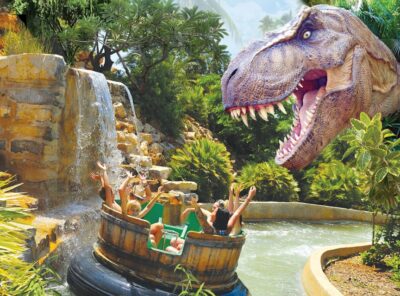

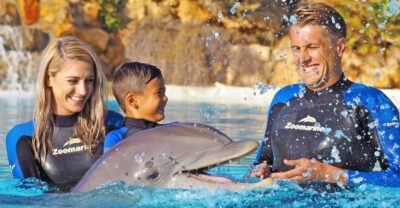
Algarve Zoomarine Ticket and Dolphin Emotions Experience
Read our review →
Browse the lists this tour appears in