

Reviewed · TUK TUK TOURS
Tavira: Tuk-Tuk City Tour
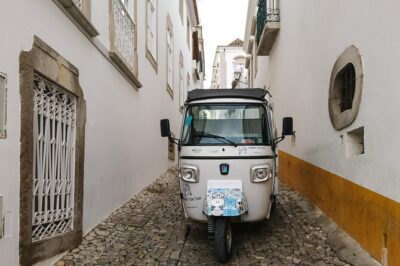
Tavira by tuk-tuk is interesting because you get wheels, shade, and stops all in one shot, without the steep slog that can drain your energy fast. I love that it is 100% electric, so the ride feels easy and pleasant, and I love the salt-pan stop at Atalaia, because it is Tavira in a nutshell. One thing to consider: this tour is only 1 hour, so it is built for orientation and highlights, not for a slow, all-day wander.
Guides like Maria, Lori, Joao, Joél, and Laurie bring the city to life with clear street-level explanations and lots of question-answer time. The churches and viewpoints are the backbone of the route, and you get short photo moments plus a few little detours that can make it feel personal. The main drawback is simple logistics: the vehicle does not allow large bags, so pack light and plan to carry essentials.
Key Things You Will Actually Care About
- 100% electric tuk-tuk keeps things comfortable on a hot Algarve day, especially for anyone who wants less walking.
- Salt Pans of Tavira (Atalaia) are a quick, memorable stop tied to how the area worked for centuries.
- Church focus gives you a simple way to understand Tavira’s shifts over time without needing a history degree.
- Castle photo break gives you a payoff viewpoint without turning the tour into a hike.
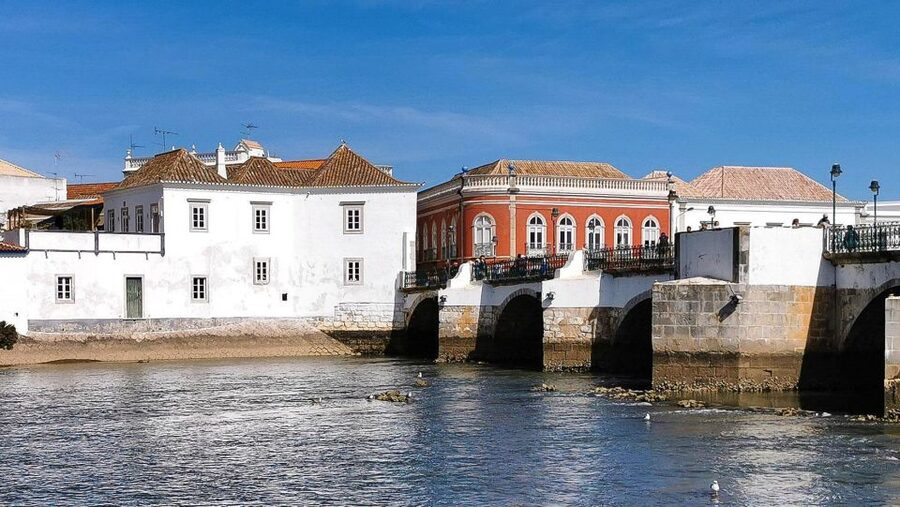
- Guides often add local folklore details, including stories tied to the Roman bridge.
- It is a private group format, which usually means better pacing and more flexibility for small interests.
Why Tavira in a Tuk-Tuk Feels Like a Smart Local Shortcut
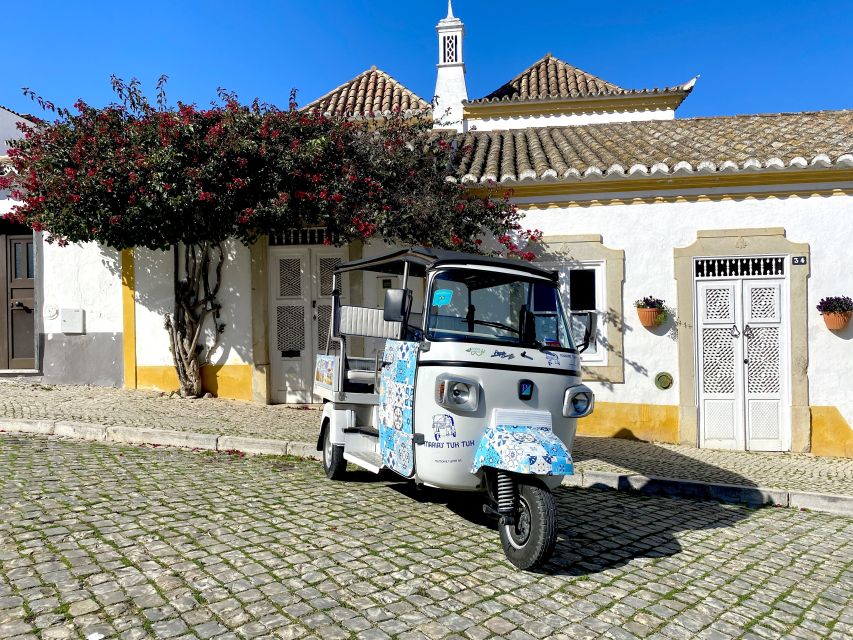
Tavira is one of those Algarve towns where the streets look calm, but the terrain can surprise you. Cobblestones, slopes, and a lot of turning mean you can burn time just moving around. That is why I like this format: the route connects the main lookouts and landmarks, while you stay seated and roll from one story spot to the next.
The best part is that it is not just a drive-by. You get short stops that are long enough for a few photos, a quick look, and a concrete explanation of what you are seeing. And because the tuk-tuk is 100% electric, the ride itself feels light, with less noise than you might expect.
More tuk-tuk tours around Algarve:
- Albufeira: Guided Tour by Tuk-Tuk
★ 4.8 · 288 reviews - Albufeira: Tuk-tuk Sightseeing Tour
★ 4.8 · 140 reviews - Albufeira Countryside Tuk Tuk Tour
★ 4.8 · 36 reviews
Price and Time Budget: What $45 for 1 Hour Really Buys You
At $45 per person for a 1-hour private tour, the value is all about efficiency. You are paying for a guide who strings together Tavira’s most important places in a tight route, plus transportation that spares you the steep walking. If it is your first day in town, this kind of tour can save you from wandering aimlessly later.
If you already know Tavira well and you are the type to spend hours in every church, this might feel short. But if you want an orientation that tells you where to go next, it is a good deal. Think of it as a rapid map plus context, so your longer independent visits become more meaningful.
Meeting Maria’s TukTuk: Where to Start and How to Arrive Ready
You meet at R. Gonçalo Velho 7, with a sign for Maria’s Tuk Tuk nearby Aguarela Café. Aim to arrive a few minutes early. That way you are not stressed about finding the right spot, and you can settle before you roll.
What to bring is simple: sunglasses, a water bottle if you like, and a camera or phone with battery. You will be outside for most of the route. Also plan to carry small day essentials only, because luggage or large bags are not allowed on the vehicle.
Alto de São Brás and the Big Religious Landmarks You Can Spot Fast
The tour starts by working your way through the area of Alto de São Brás, where you can get a feel for the town’s rhythm and elevation. Two key stops anchor this stretch: the chapel of São Brás and the Church of Nossa Senhora do Carmo, noted as the largest church in the city.
These stops matter because they give you a quick framework for reading Tavira. Once you understand the role the church played in daily life and community identity, you start seeing the town differently. It is not just buildings. It is how the city organized itself, who built what, and why certain corners became important gathering points.
One practical perk of doing this early is viewpoint awareness. Even without long time inside each place, you begin to recognize where the historic center sits and what streets lead back toward it.
A few more Algarve trips worth putting side by side
- From Algarve: Lisbon City Tour with Shopping
★ 4.2 · 218 reviews - Albufeira: City Highlights & WINE TASTING
★ 4.9 · 148 reviews - City Sightseeing Albufeira Hop-On Hop-Off Bus Tour
★ 3.0 · 212 reviews - Vilamoura: Tourist Train City Tour
★ 3.4 · 154 reviews
Atalaia Salt Pans: Bernardas, a Former Prison, and How Salt Shaped Tavira

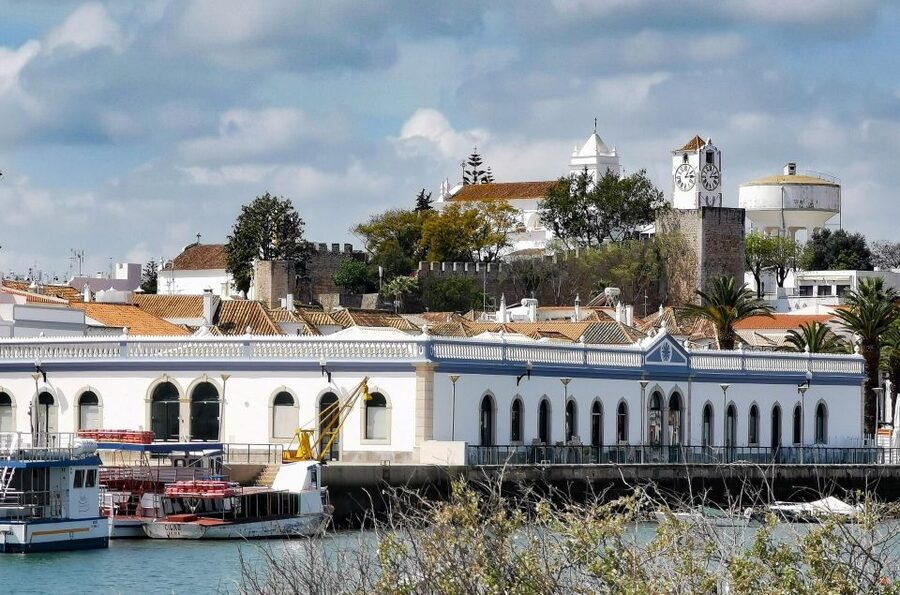
Then comes a stop that is pure Tavira: the Salt Pans, located in the Atalaia area. You get about five minutes there, long enough for a quick look, a few photos, and a better understanding of why these flats matter.
This part is more than scenery. You are near the Convent of Bernardas and the former prison, which turns the salt-pan visit into a story about people and systems, not just water and mud. The guide explanations help you connect the dots between geography and daily work.
You might also get a salt-related moment that feels very practical. One highlight from guide-led experiences is that you can get salt at the salt pans, and that makes the stop stick. It turns a photo op into something you can take home.
If you are lucky, you may spot local wildlife like flamingos in the salt-flat area, adding extra life to what you are seeing. Even if you do not, the visual texture and the working-lands vibe still make it worthwhile.
A quick photo reality check
Five minutes sounds brief, and it is. But if you want the best shot, choose early: wide landscape first, then details. Let the guide tell you what to watch for, then use your time to capture it.
São Sebastião Photo Break: Small Time, Big Results
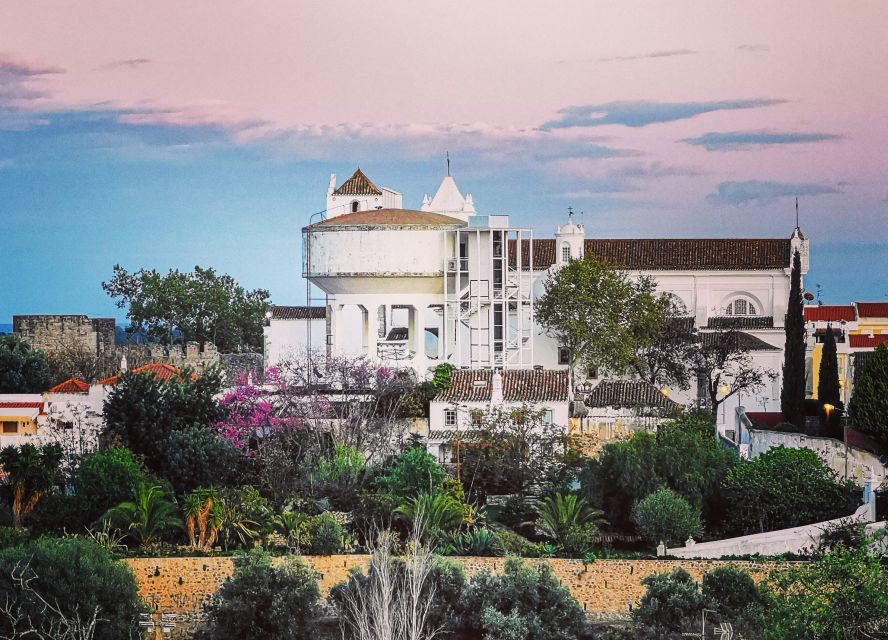
Next is a quick stop at Church São Sebastião for about five minutes. This is a photo break with context. The point is not to do a long interior visit. It is to pause where the city shows you a strong visual statement and then move on with your “Tavira map” getting clearer.
I like this style of pacing because it prevents the usual problem on short tours: you spend all your time in one place and miss the rest. Here, you collect multiple landmarks, each with a quick explanation, and you leave with a list of targets for later.
From Military Barracks to Rua Street Scenes: Churches and Nooks That Add Meaning
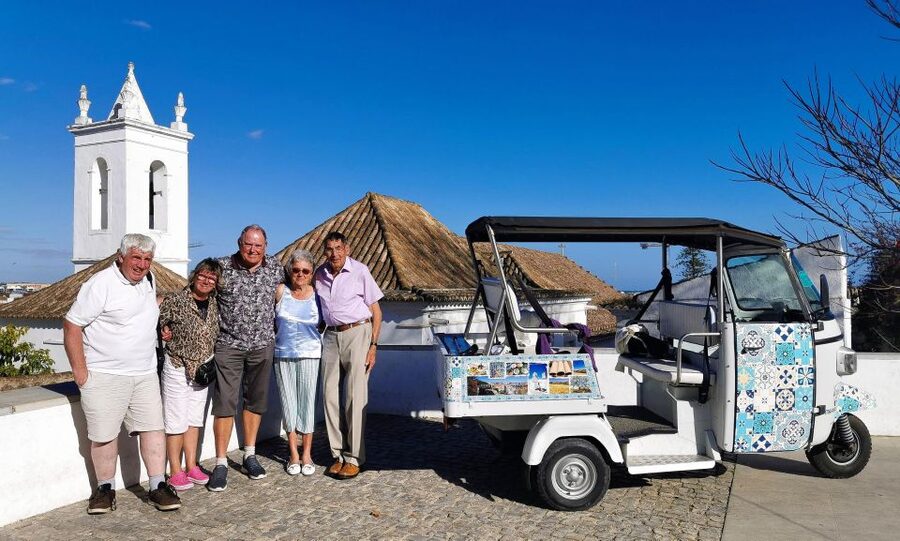
After salt pans and the São Sebastião stop, the route keeps rolling through several key landmarks and streets, including:
- military barracks
- Church of São Francisco
- Church of São José
- the street of Liberdade
- República square in the city center
This stretch is where the tour starts feeling like a guided walk without the walking. You are seeing how different eras sit next to each other. Military, religious, civic. Tavira did not develop in one clean timeline, and that is what the route helps you notice.
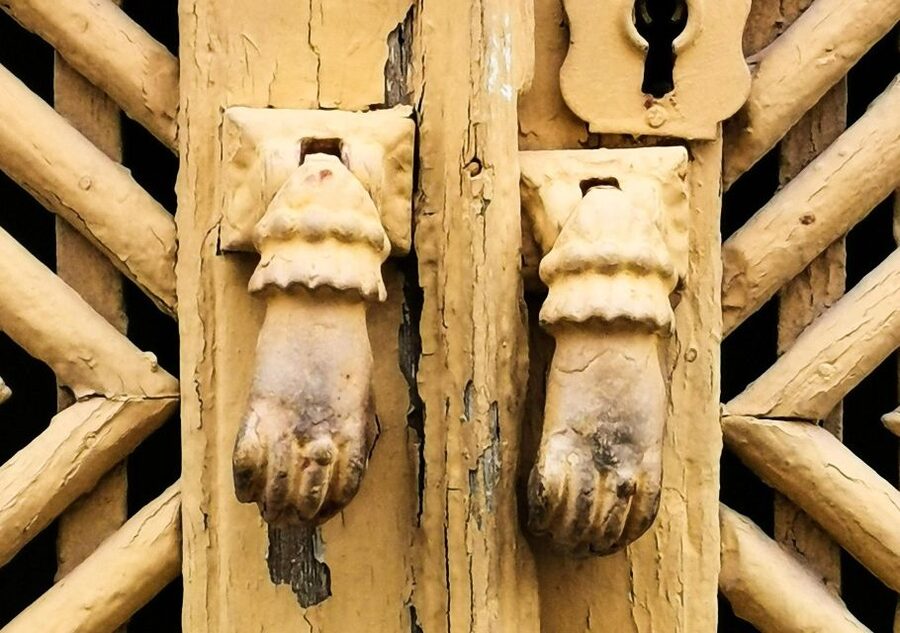
A standout detail from guide storytelling is how you begin to read small decorative choices. One experience included explanations behind the meaning of hand decorations on doors. That kind of detail is exactly why a guided route beats a simple guidebook.
The Historic Core: Graça, Santiago, Santa Maria, Misericórdia, and the Castle
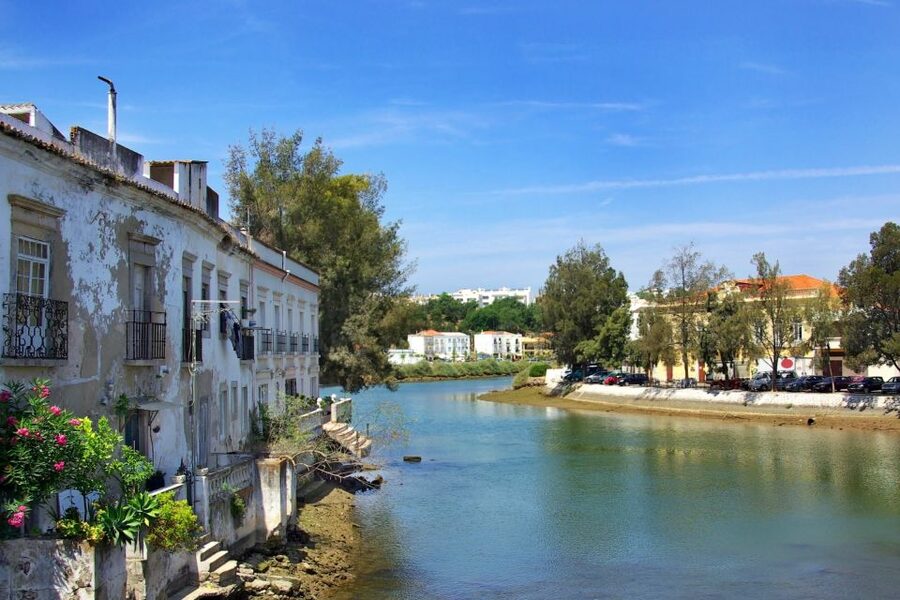
The historic area is the most important part of the tour, and it is built around a cluster of landmarks you can connect into one mental picture. This is where you get the sense that Tavira’s center is the city’s “greatest hits” without having to guess where everything is.
You visit or stop by key religious sites and viewpoints, including:
- the Convent of Graça
- Santiago church
- Santa Maria church
- Misericórdia church
- and a short stop at the Castle for about five minutes
Even with short stops, these places matter because they explain how the city changed over time and how faith and power shaped architecture. It is also where folklore can pop up. One guide-led experience highlighted stories tied to the Roman bridge, the kind of local lore that makes the stone and streets feel less like museum pieces and more like lived-in history.
Why the castle stop is worth squeezing in
Five minutes at the castle sounds like a tease, but it is the kind of teaser that helps you plan a return. You get that “so that is where everything sits” perspective. Afterward, when you walk around on your own, you understand what is below you and why streets curve the way they do.
How Guides Keep the Tour Fun: Flexibility and Q&A On the Move
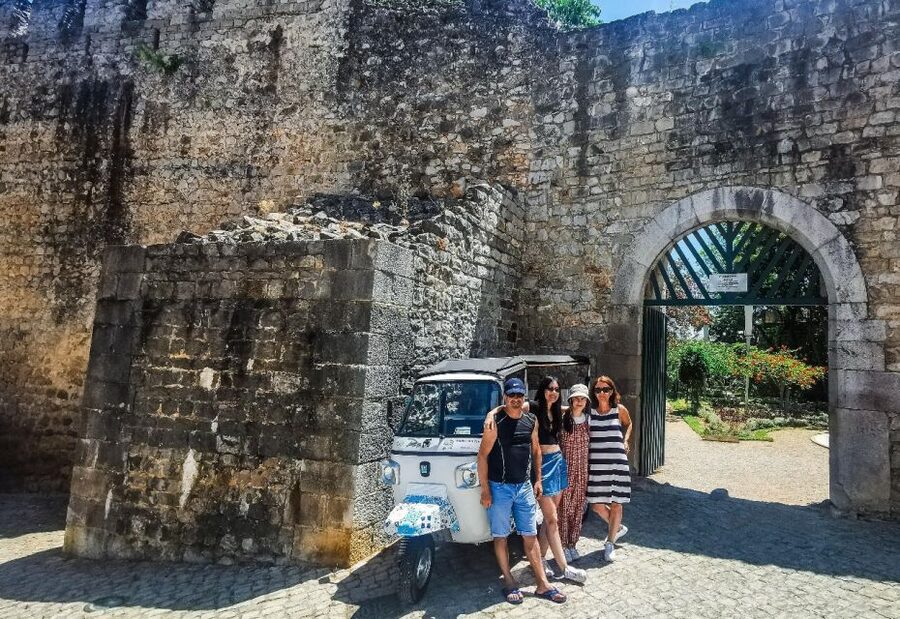
A big reason this tour earns such strong ratings is the way guides manage pace. Many sessions are described as friendly, question-friendly, and willing to adjust the stop timing based on your interests. If you are the type who asks lots of little questions like what this building was used for, how the salt pans operated, or why the city looks the way it does, you are in the right place.
You may also get extra photo help. One experience described a stop at a pretty property with vines for photos. That is not something you should expect every time, but it matches the overall style of the tour: short, practical moments that make your day easier.
Getting the Most Out of One Hour: My Practical Tips
If you want this tour to pay off, do two things.
First, decide what you care about most before you meet. If you are into architecture, focus your questions on the churches and convent sites. If you are into how towns worked, ask about the salt pans and the role they played. Your guide can steer the focus during those quick stops.
Second, keep your phone ready for motion. You will be traveling through streets like Liberdade and reaching the center at República square. That means some of your best photos are grab-and-go, not slow-framed compositions. Hold the camera steady, then take the shot when the guide points out the view or detail.
Also, dress for heat if you are visiting in summer. Even though the ride is comfortable, you still spend time outdoors at stops.
Who This Tour Fits Best (and Who Might Want Something Longer)
This tour fits best if you want:
- a first-day introduction to Tavira
- a way to see major highlights without heavy walking
- a short, guided structure that helps you come back later to explore at your own speed
- an easy option for people who find steep hills tiring
It also works well for solo travelers because the route reduces decision fatigue. You get a plan, then you can build the rest of your day around what you liked most.
If you already live in the Algarve and you want a deep, slow study of churches, ruins, and interiors, you might feel constrained by the time. But even then, it can still be helpful as a “get oriented fast” day-starter.
Price and Value: Is $45 for Tavira’s Highlights a Good Deal?
For $45, you get more than transportation. You get:
- a guided route that links salt pans, churches, and city-center landmarks
- short stops at the places that help you understand Tavira quickly
- a private group experience, which can make the day feel less rushed
One reason it feels like good value is that Tavira can be tricky to navigate on foot when you are juggling sun, slopes, and multiple churches. The tuk-tuk saves energy and buys you time for better photos and more questions.
Food and drinks are not included, so budget for your own break if you are hungry. But that is also part of the value equation. You choose your lunch place later, instead of getting locked into whatever is convenient for a group meal.
Should You Book This Tavira Tuk-Tuk City Tour?
Yes, if you want an efficient, friendly way to learn Tavira’s layout and story in a single hour. Book it early in your trip so you can return to the places that grabbed you most, especially the salt pans and the historic core around Graça and the churches.
Skip it if you want a long, slow exploration with lots of interior time, or if you prefer to plan every stop yourself without a guide. For everyone else, this is a smart first move: you get context, quick photo wins, and a guided route that makes the rest of your Tavira day easier to enjoy.
FAQ
How long is the Tavira tuk-tuk city tour?
The tour lasts 1 hour.
Where do I meet the tour?
The meeting point is at R. Gonçalo Velho 7, with a sign for Maria’s Tuk Tuk nearby Aguarela Café.
What’s included in the price?
Included is the 1-hour tuk-tuk tour.
Are there food or drinks included?
No. Food and drinks are not included.
What languages are the live guides available in?
The live tour guide is available in English, French, Spanish, and Portuguese.
Is the tuk-tuk accessible and are there any restrictions?
The tour is wheelchair accessible. Large bags or luggage are not allowed, and alcoholic drinks are not allowed in the vehicle.
Recently added around Algarve
- Tavira Total Tuk Tuk Tour: Tavira Tour & Tuna Museum Visit★ 4.9 · 21 reviews
- The Colors of Ria Formosa: Sunset Boat Trip in Faro★ 4.8 · 13 reviews
- Silves, Caldas and Monchique Wine Tasting: Full Day Tour★ 4.9 · 84 reviews
- Serra de Monchique & Bravura Half Day Off-Road Day Trip★ 4.9 · 26 reviews
- Silves: Algarvian Winery Tour and Tasting Experience★ 4.8 · 13 reviews
- Faro: Kayak Hire in Ria Formosa Natural Park★ 4.0 · 99 reviews
- Sagres: Sunset Tour★ 5.0 · 129 reviews
- Romantic Sunset Tour in the Ria Formosa from Faro★ 5.0 · 6 reviews
Tuk Tuk Tours, side by side.
TUK TUK Tour around Lagos Old & New Town & beaches – Best way to know Lagos
Read our review →
TOURS CARLOS SMILE TUK TUK – coast, country side or mix
Read our review →

Browse the lists this tour appears in