
Reviewed · TAVIRA & OLHãO
Tavira: Olive Factory Tour and Tasting
This is one of those Portugal food stops that feels like it was made for people who actually like eating well. In Tavira, you’ll visit Helder Madeira and learn how olives for eating get processed, then finish with a tasting that goes well beyond a few nibbles. I love that the tour is led in English by people like Andrea, with a lively, practical style that keeps things moving.
Two specific things I like a lot: first, you get hands-on olive experience plus guided context, so you’re not just standing there. Second, the tasting spread is genuinely generous, with olives, olive oil, cheese, honey, and orange marmalade, and you add wine if you want it. The one drawback to know up front is timing: production only runs September to November, so outside that window you may not see olives actually going through the machines, even though you will watch a video to explain the process.
Key things that make this tour worth your time
- Family-run energy with guides like Andrea and the wider team, so you feel part of the operation instead of a bus schedule
- Hands-on olive moments that help you understand how olives become snackable and shelfable
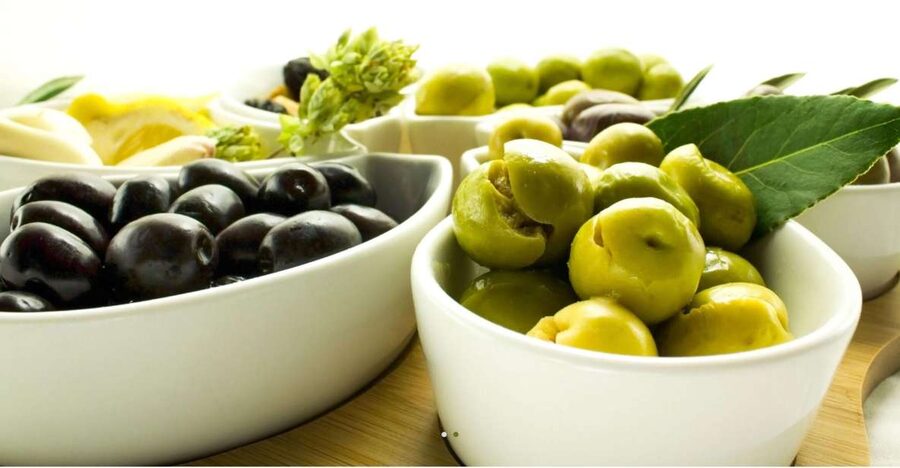
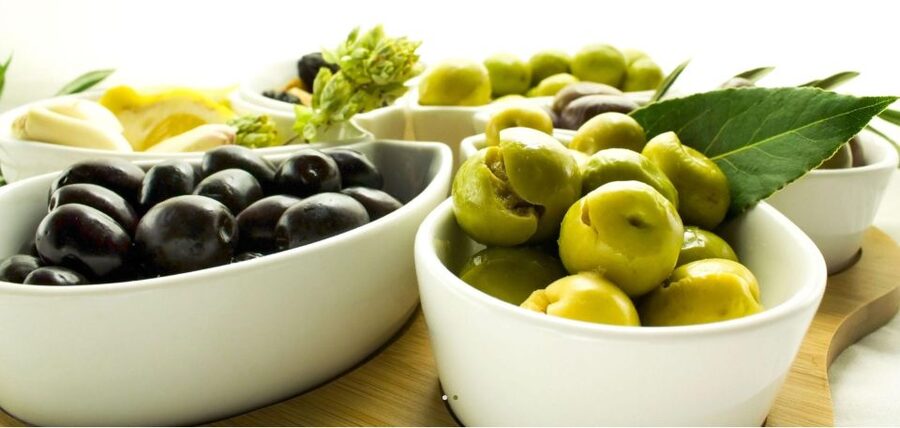
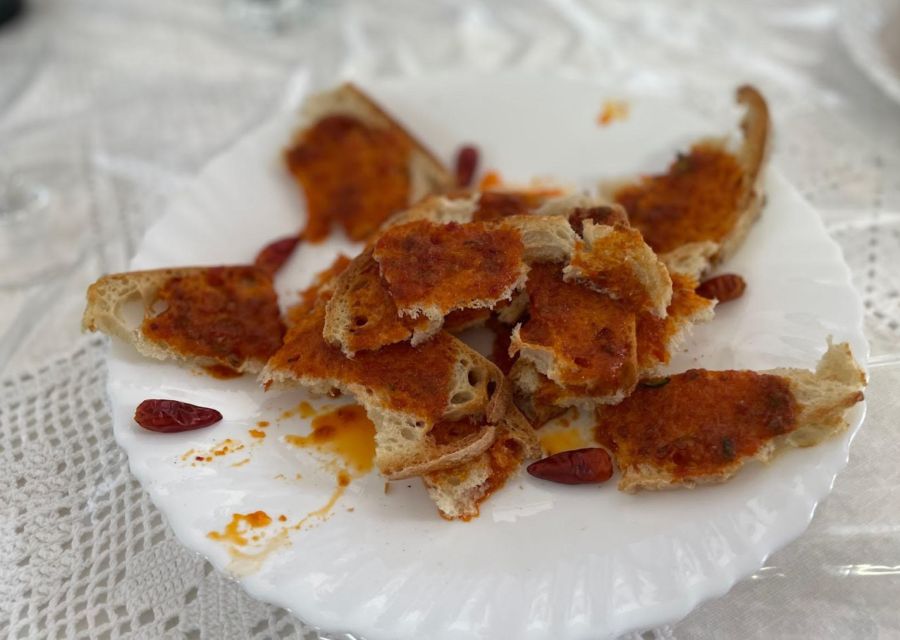
- A real tasting spread, not a token plate, typically pairing olives with cheese, honey, orange marmalade, and olive oil
- Wine tasting option with local wine included in the experience
- Off-season clarity, since the machines may be quiet but the story is still explained, using a production video
Tavira Olive Factory Tour: What You’re Actually Signing Up For
This is not a polished, big-factory attraction. It’s a working olive factory that focuses on olives prepared for eating, plus related local products, and it’s run by a small team. The vibe is simple: you walk through, you listen, you taste, and you leave knowing what you’re buying at home and why.
What makes it especially interesting is that it’s set up to answer the questions you probably have when you look at a jar of olives in a shop. How do they change from bitter fruit to something you can eat? Why do different olives taste different? How do honey, orange marmalade, and cheese fit into the olive world? The guide helps you connect the dots without turning it into a lecture.
One more plus: the tour stays friendly even when the season is off. You might not see the full production in action, but you’ll still get a clear explanation of the steps, plus the fun part, which is tasting the end results.
A few more Tavira & Olhão trips worth putting side by side
- Olhão Fish Market & Food Tour
★ 4.8 · 9 reviews - Historic centre & Wine tasting
★ 4.9 · 7 reviews - Loulé: Quinta da Tôr Winery Guided Tour and Wine Tasting
★ 4.7 · 661 reviews
Finding Helder Madeira and What to Wear for a Smooth Start
You meet the tour directly at Hélder Madeira – Indústria e Comércio de Azeitonas, Unipessoal Lda, and you show your voucher at the entrance. That’s refreshingly straightforward, and it helps if you’re traveling in Algarve towns where instructions can sometimes get vague.
Wear comfortable shoes. You’ll be inside and moving around during the guided part, and since this is an industrial-style site, you’ll want grip and comfort. I also recommend arriving a little early if you can. Sometimes you can come up to 1 hour before the tour and enjoy drinks at their bar, but those drinks are charged separately, so think of it as a bonus, not part of the ticket.
If you’re coming from Tavira town center, you may find it’s easier to take a taxi than to walk through less maintained areas near the industrial estate. And if your usual map app is sending you on a strange path, switch to a different mapping service, since people have had trouble with directions.
Quick etiquette notes that matter here: pets are not allowed (assistance dogs are fine), and alcohol and drugs are not permitted during the experience. If you plan to add wine to your tasting, do it after the tour portion, and take it slow.
The Guided Factory Walk: Hands-On Olives and a Clear Process Story
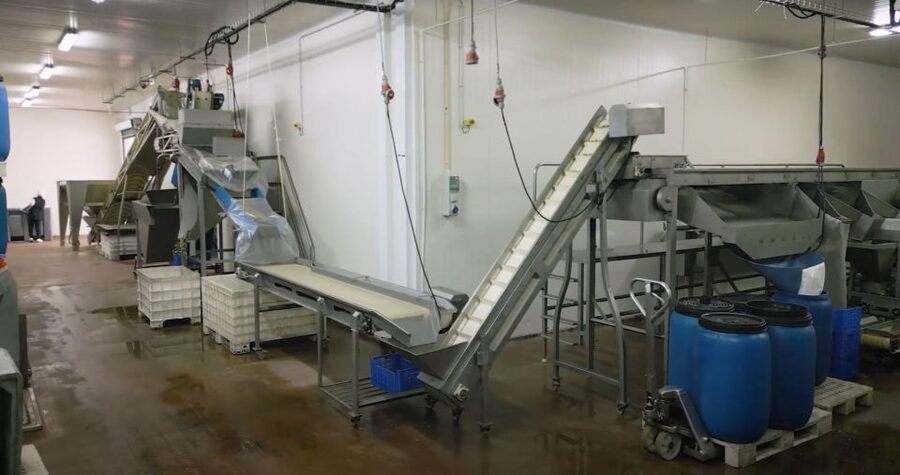
The guided tour runs about 105 minutes and is led live in English. The emphasis is on the factory process for olives prepared for eating. If you’re hoping for olive oil production lines, adjust your expectations. This is an olive factory visit, and that difference matters, especially if you want to learn how preserved olives are made rather than how oil is extracted.
Here’s the big seasonal reality: production only happens from September to November, and it may not run every day. If you book outside that window, you won’t see olives in the transformation machines. Instead, you’ll watch a production video that shows what happens during active production and keeps the tour informative and entertaining.
Even when the machines are quiet, I still think this part is valuable because the guide connects the steps to what you’ll taste later. That’s how you start making sense of flavors that otherwise feel random. You’ll also get an olive-centered hands-on component. That matters because it turns the subject from something you read about into something you experience with your senses.
What you should look for during the walk:
- How they explain turning olives into edible products
- The way different prepared olives taste different, even before you reach the tasting
- Any demonstrations tied to the process and preservation
And since this is a family-run operation, the tour often feels personal. Guides such as Andrea bring energy and humor, which keeps the factory portion from becoming dry, especially for people who came mostly for the tasting.
Off-Season Tours: When You Can’t See Machines, You Still Get the Point
If you’re traveling in the shoulder seasons, the off-season limitation can feel like a letdown at first. But the tour is built to handle that. You’ll be told up front that you won’t see the olives being transformed in the machines, and you’ll be given a video to show the production flow instead.
I actually like this approach because it protects the visitor experience. You’re not left staring at silent equipment while wondering if you picked the wrong activity. Instead, you get the explanation you need, then you move on to samples that reflect the final products.
So if you book off-season, set your goal to be learning and tasting, not watching live production. You’ll still leave with a better sense of how olive products from this part of Portugal get made and how to choose what to buy.
One more practical thought: if you arrive early and have a drink at the bar, keep it in moderation so you’re still ready for tasting. The tour includes wine tasting, and it’s easier to enjoy the flavors when you can taste clearly.
Same stretch of coast, a different sort of day out:
- Olhão: 3 Islands Guided Sightseeing Tour with Lunch
★ 4.7 · 172 reviews - Olhão: Dolphin Observation
★ 4.1 · 127 reviews - From Faro: 7 Valleys Hiking, Benagil Cave, & Snorkeling Tour
★ 4.9 · 123 reviews - Olhão: Ria Formosa 2 Islands Boat Tour
★ 4.9 · 38 reviews
Tasting Session: A Real Meal of Olives, Oil, Cheese, Honey, Marmalade, and Wine
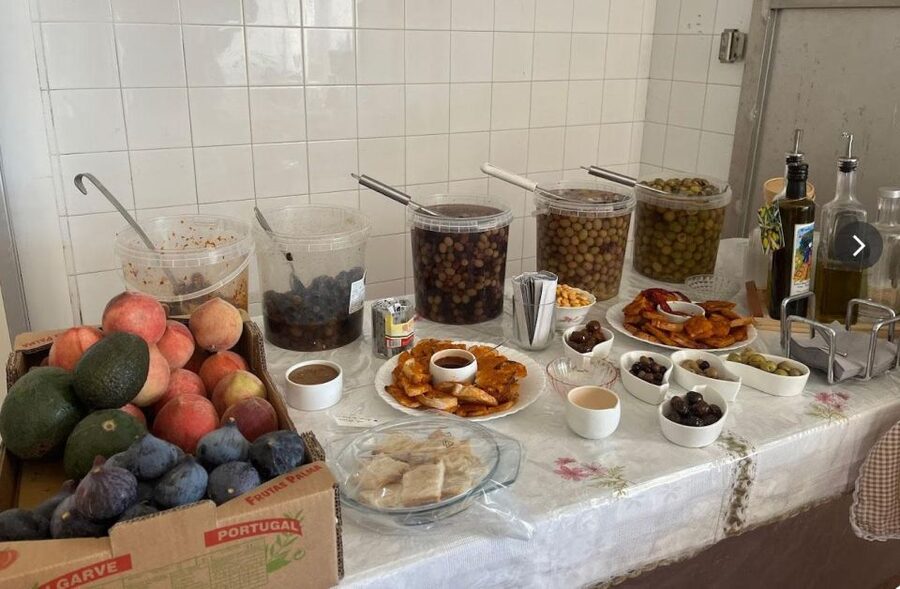
This is the part that most strongly sells the experience, and for good reason. After the guided walk, you’ll get a tasting session lasting about 35 minutes. In the tasting, you’ll sample preservative-free olives, olive oil, honey, cheese, and orange marmalade.
You can also expect wine. The tour includes a wine tasting, and the tasting can include locally produced wines. There’s also typically an option to choose alcohol or non-alcoholic drinks. That flexibility is useful if you’re driving, prefer not to drink, or just want to keep it light while you still enjoy the pairing.
What makes the tasting feel worth it is the variety and the pacing. This isn’t a single tiny plate with a couple of bites. The spread tends to feel more like a meal, with enough food that you can compare flavors and not just taste one sample and move on.
A few tasting elements to pay attention to:
- Olives served in ways that show why preserved olives have distinct taste profiles
- Olive oil tasting that helps you notice differences in richness and bite
- Cheese and cured components that pair naturally with olives and marmalade
- Honey and orange marmalade that bring sweet notes to balance the briny side
- Drinks that help you reset your palate between bites
If you like to learn with your hands and your taste buds, you’ll probably do well here. If you go in expecting only olives, you may be pleasantly surprised by how much cheese, spreads, and pairings show up.
Important caution if food is a concern: the tour is not suitable for people with food allergies. Even if a guide is aware and attentive, the safest move is to avoid this activity if you know you have allergies that could be triggered by ingredients used in the spread.
Boutique Shopping After the Tasting: Why You’ll Want to Buy Something
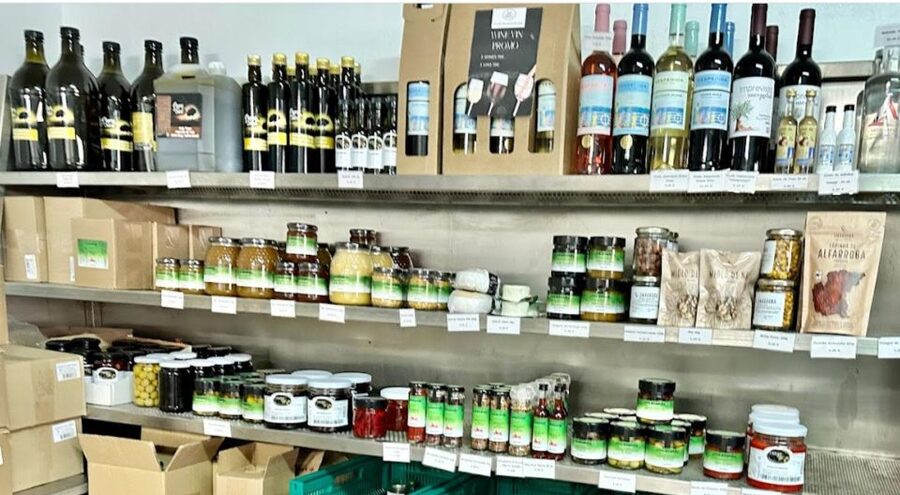
At the end, you’ll have about 30 minutes for shopping at the factory boutique. This is where your tasting turns into souvenirs you can actually use. The products offered are local and tied to what you sampled, so you’re not gambling on flavors.
I like shopping after tasting because you can match jar or label to your memory of taste and texture. You can also ask questions on the spot, which is often more helpful than reading a label later in your kitchen.
What you might buy:
- Olive-related products, including varieties you tasted
- Olive oil, honey, and orange marmalade
- Cheese and other local foods
- Other locally produced items available in the shop
Given the small, family-run feel, the shop can also be a nice way to bring home something that feels personal rather than mass-produced.
Price and Value: Why $34 Can Feel Like a Bargain Here
At $34 per person for about 1.5 hours, you’re paying for a guided factory visit plus a tasting that includes multiple food categories and wine. If your usual food tours are mostly about wandering and a small snack, this one can feel like better value because you leave fed and informed.
Value also comes from the practical details:
- You get an English-language guide who explains what you’re seeing
- You get hands-on olive elements, not just observation
- You get a structured tasting, so you’re not guessing what to try
- The family-run operation tends to bring enthusiasm, which makes the time go fast
This tour can be a smart choice if the weather turns rainy. Indoor, food-focused activities are great in Algarve downpours, and this one doesn’t feel like a compromise.
Transportation is not included, so factor in how you’ll get there. If you’re staying in Tavira center, a taxi can save time and effort. The walk may be longer than you expect if you’re dealing with unpaved stretches near the industrial estate.
Who This Olive Tour Is Best For, and Who Should Skip It
This tour fits best if you:
- Like food tours that combine learning with tasting
- Want a deeper look at olives as prepared foods, not just a quick shop stop
- Prefer small, friendly settings over large crowds
You may also enjoy it even if you’re not an olive fanatic, because the tasting includes pairings like cheese, honey, and orange marmalade. That helps you find something you genuinely like.
I’d skip it if:
- You have food allergies, since the activity is not suitable for allergies
- You specifically want to watch olive oil production machines, since this is focused on olives for eating
And one more tip for planning: bring comfortable shoes and expect that the factory production may not be running depending on the month. Still, the video and guided explanation are part of how they keep the tour worthwhile.
Should You Book the Tavira Olive Factory Tour?
Yes, if your goal is a fun, flavorful, and educational food stop in Tavira. The strongest reason to book is the combination of a guided olive process story with a generous tasting that includes olives, olive oil, cheese, honey, orange marmalade, and wine.
Book it with the right expectations: outside September to November, you won’t see olives going through machines. But you will still get the process explained and you’ll still get the products that come out of that work.
If you can get to Hélder Madeira easily and you don’t have allergy concerns, this is an easy pick for a half-day feel without needing to plan around long lines or complicated itineraries.
FAQ
FAQ
How long is the Tavira olive factory tour and tasting?
The guided tour is about 1.5 hours total, with the visit running about 105 minutes, followed by a tasting session of about 35 minutes, and then a shopping stop of about 30 minutes.
Where do I meet for the tour?
You join the tour directly at Hélder Madeira – Indústria e Comércio de Azeitonas, Unipessoal Lda, and show your voucher at the entrance.
Is the factory running when I visit?
Production only takes place from September to November and not every day. If production is not running during your visit, you will not be able to see olives in the transformation machines, but you will be shown a video that explains the process.
What food and drink are included in the tasting?
The tasting includes preservative-free olives, olive oil, honey, cheese, and orange marmalade. A wine tasting is also included.
Is transportation to and from the factory included?
No. Transportation to and from the olive factory is not included.
Is there an English guide?
Yes. The live tour guide speaks English.
Is the tour wheelchair accessible?
The tour is wheelchair accessible. However, the WC is not wheelchair accessible, while other rooms are accessible.
Recently added around Tavira & Olhão
- Tavira: Passeio Half Day★ 5.0 · 5 reviews
- Tavira Ciência Viva Science Center Individual Ticket★ 5.0 · 10 reviews
- Tavira City & Ice Cream★ 4.8 · 4 reviews
- Half-day Private Sailing Yacht Experience in Tavira★ 5.0 · 3 reviews
- Passeio de barco na Ria Formosa 3H★ 4.3 · 3 reviews
- Olhão:5h ride 3 stops on the beaches and islands Ria Formosa★ 4.7 · 6 reviews
- Passeio Barco na Ria Formosa 5H★ 5.0 · 3 reviews
- Olhão- Safari Watching Dolphins and other species★ 4.9 · 29 reviews
Tavira & Olhão, side by side.


7 Valleys Hiking, Benagil Cave, & Snorkeling Tour
Read our review →

Browse the lists this tour appears in